This workshop will bring together international experts to explore advancements in wood design and construction education, highlighting the multifaceted challenges and, most importantly, showcasing and discussing innovative solutions to these issues. The session will open with insights into timber engineering education in New Zealand, providing a foundation for a global perspective. This will be followed by an exploration of the New European Bauhaus Pioneer Hub and its role in shaping Europe’s future workforce. The workshop will then examine seismic considerations in timber engineering education in Chile, followed by a presentation on strategies for integrating design, engineering, and construction in North American wood education. The second part of the workshop will shift focus to workforce integration, with a presentation on the challenges of engaging young professionals in wood design and construction fields. These discussions will also cover key strategies for developing and retaining talent within the sector. An interactive panel discussion will follow, bringing together all speakers to address the complex landscape of wood education and workforce integration.
The session will explore the evolution of curricula, the integration of emerging technologies, and effective strategies for engaging the next generation in wood design and construction. This will also provide the audience with a valuable opportunity to engage directly with the panelists through questions and discussion. The workshop will culminate in a collaborative round table, aimed at developing a platform for international collaboration. This platform will unite experts, align curricula, and foster the exchange of resources to elevate the quality of wood education worldwide. In preparation for the workshop, a global survey has been developed to gather insights from educators in wood design and construction. The survey aims to explore current practices, challenges, and technological innovations in wood education. Its findings will provide a data-driven foundation for the workshop discussions, focusing on key topics such as post-secondary education structures, curriculum integration, industry partnerships, and the adoption of new technologies in wood education programs.
If you are an educator or program developer in the field, we invite you to share your valuable insights by completing the survey: Survey Link Here!
This workshop promises to be a pivotal event for shaping the future of wood education, combining academic and industry perspectives to create a unified global approach to training the next generation of professionals in the wood sector.
Participants
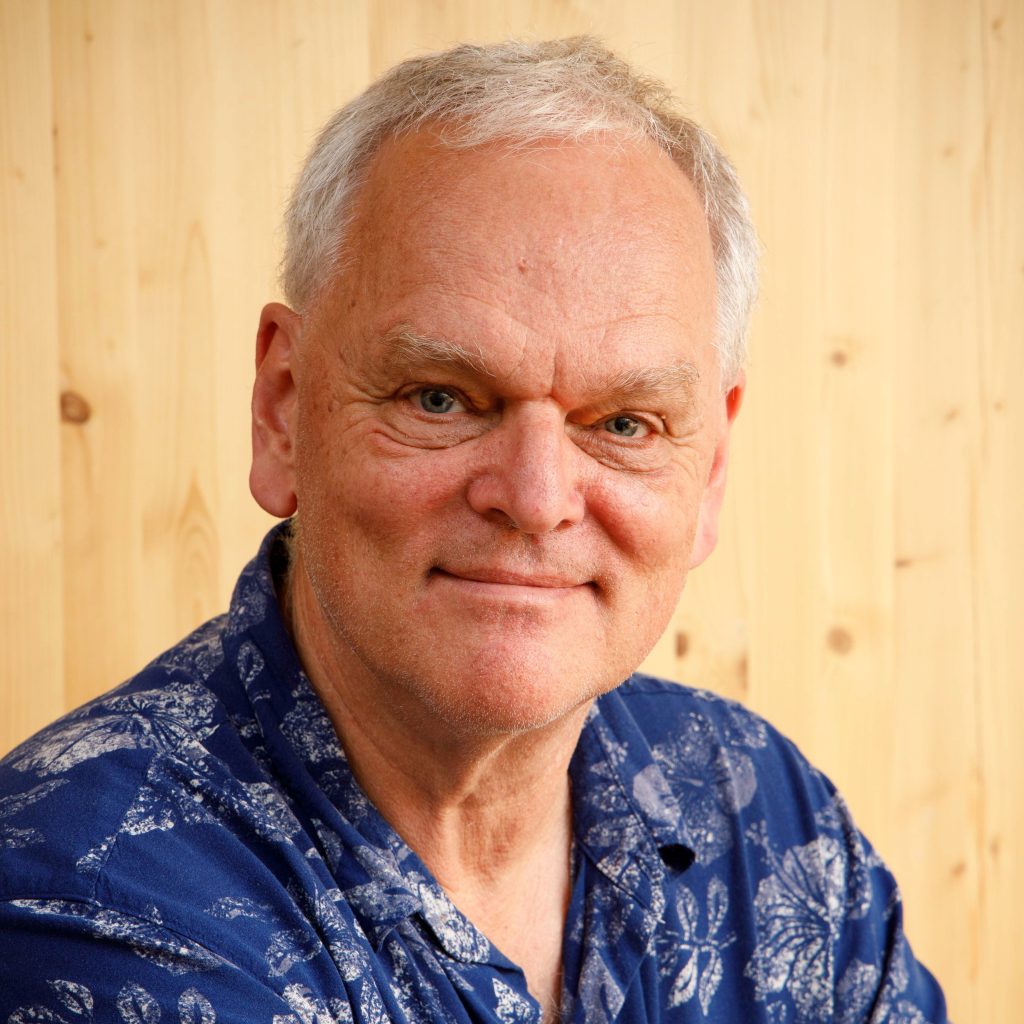
Peter Moonen, WoodWorks
Introduction
Peter studied Marine Biology, Zoology and Forestry the University of British Columbia and over the last 35+ years has used that science-based foundation to advance a better understanding of wood products, wood construction and the forest sector.
He is National Sustainability Manager for the Canadian Wood Council (CWC), a technical and knowledge transfer organization, which provides free technical support to designers, contractors, building and fire officials, owners and regulators to build a strong wood culture in Canada through education, training and awareness
He regularly presents to design professionals, contractors, educators, regulators and building officials in Asia, Europe and throughout North America on achieving greater sustainability, durability and the appropriate use of wood.
He is a regular participant and session facilitator with the UN Committee on Forests and the Forest Industry; a market reviewer specializing in wood and the green economy for the Forest Products Annual Market Review published by the UNECE Forestry and Timber section; and a contributor to the Mas Timber Report distributed at the International Mas timber Conference and active in Prefabrication-, Education-, Carbon-, and Circularity-related issues for wood products.
He was involved the Low Carbon-Assets through Life Cycle Assessment (LCA^2) Initiative of the National Research Council of Canada and I lead the wood industry’s efforts to gather Life Cycle Inventory data and create regional Environmental Product Declarations for the majority wood products manufactured in Canada.

Blériot Feujofack, Manager of Wood Education, Canadian Wood Council
Introduction
14:00 – 14:10
Dr. Blériot Feujofack is the Manager of Education at the Canadian Wood Council (CWC), where he leads national efforts to advance wood education through innovative programs, strategic academic partnerships, and advocacy for wood’s role in sustainable construction.
Blériot holds a Ph.D. in Timber Engineering from the University of British Columbia, where his research focused on the development and optimization of resilient connection technologies for mass timber panels. Before immersing himself in the field of timber structures, he pursued studies in both Civil and Mechanical Engineering. His academic achievements include a Master of Applied Science in Mechanical Engineering from the University of Quebec, as well as a Master of Engineering and a Bachelor’s degree, both in Civil Engineering.
With his diverse expertise and strong commitment to innovation, Blériot is helping shape the future of wood education and sustainable construction across Canada.

Guido Wimmers, BCIT
Introduction
14:00 – 14:10
Dr. Guido Wimmers is the Dean of the School of Construction and the Environment at the British Columbia Institute of Technology (BCIT). He holds a Ph.D. in Engineering Science and a Master’s in Architectural Engineering from Leopold Franzens University in Innsbruck, Austria. Before relocating to Canada in 2007, he collaborated on sustainable building projects across Austria, Germany, and Italy. In BC, he played a leading role in Canada’s first Passive House—the Austria House in Whistler—and co-founded the Canadian Passive House Institute (now Passive House Canada). At the University of Northern British Columbia, he was a tenured professor and founding Chair of the Master of Engineering in Integrated Wood Design, where he also led the creation of the award-winning Wood Innovation Research Laboratory (WIRL). Guido has provided consulting for the City of Vancouver and BCCA, and contributed to the BC Step Code. He continues to champion innovation, sustainability, and collaboration between academia and industry.

Pierre Quenneville,
University of Auckland
Innovations in Timber Engineering Education: Insights from New Zealand
14:10 – 14:25
Pierre is Professor of Timber Design at the University of Auckland and Chief Technical Officer at Tectonus. He served as the Head of the Department of Civil and Environmental Engineering from 2011 to 2017. As structural engineer specializing in timber structures, Pierre’s expertise is with timber connections. His work on timber connections under earthquake loads led his research group to develop a resilient damper that re-centres buildings, reducing the need to demolish buildings following an earthquake event. He co-founded Tectonus in 2016 to commercialise the resilient damper and conducted R&D to demonstrate the damper advantages in steel, concrete and timber buildings (for new builds and retrofits). The resilient damper is in use in buildings in New Zealand, in Canada and under consideration for building projects in the USA and Japan.

Craig Applegath, Dialog Design
Workforce Integration in Wood Design and Construction: Challenges and Solutions for Engaging Young Professionals
14:25 – 14:40
Craig Applegath is an architect, urban designer, and biologist specializing in sustainable and climate-adapted design at the intersection of built environments and natural ecosystems.
Craig focuses on zero-carbon, climate-adapted buildings, campuses, and communities, integrating mass timber in higher education and affordable housing projects. As Chair of the Mass Timber Institute and co-host of its podcast, Craig champions innovative low-carbon wood construction. The Founding Partner of DIALOG’s Toronto studio, Craig holds degrees from the University of Toronto, Dalhousie University, and Harvard’s GSD. Craig has taught climate change adaptation at UofT and speaks internationally, driven by his passion for addressing environmental challenges through design.

Michael David Burnard,
Deputy Director, InnoRenew CoE
Empowering Graduates: The Role of the New European Bauhaus Pioneer Hub on Sustainable Built Environment with Renewable Materials in Shaping the Future of the Wood Sector Workforce
14:40 – 14:55
Dr. Michael (Mike) Burnard was born in the USA where he worked in the forest sector for more than a decade. In 2013, Mike moved to Slovenia to complete his PhD. Now, Mike is the deputy director of the InnoRenew CoE, a research organisation creating solutions for sustainable construction with renewable materials. His research interests are focused on enhancing human health and using wood in the built environment as well as advancing sustainability through intelligent use of renewable resources, particularly in buildings. Mike also works in many other areas including business management, innovation, data science, and ICT. During his professional career in the US, Mike was a board member (6 years) and President (1 year) of the Portland Wholesale Lumber Association. He is now President InnovaWood, an international network of wood education and research organisations. Mike is an associate professor at the University of Primorska in Slovenia where he teaches and mentors students in sustainability, data science, ethics, and human health in the built environment.

Alexander Opazo Vega,
Civil Engineer, Associate Professor., University of Bío-Bío
Advancing Timber Engineering Education in Seismic Regions: Insights from Chile’s Academic and Research Initiatives
14:55 – 15:10
Alexander is Professor of Timber Structures at the University of Bío-Bío, Chile, and Associate Researcher at the National Center of Excellence for the Wood Industry (CENAMAD). Additionally, he currently serves as the Director of a Doctoral Program in Engineering applied to industry. The primary research line that Alexander has developed is related to the structural health monitoring of timber buildings—a highly relevant issue in countries with high seismic activity, such as Chile. A significant milestone in this research line was the construction of a five-story cross-laminated timber (CLT) building prototype on the campus of the University of Bío-Bío. Monitoring this building for two years has provided insight into the variation of its dynamic properties throughout different seasons and evaluated its structural performance during seismic and wind gust events. These results have contributed to updating Chilean regulations on wood design and construction, as well as to improving the community’s perception of this type of building.
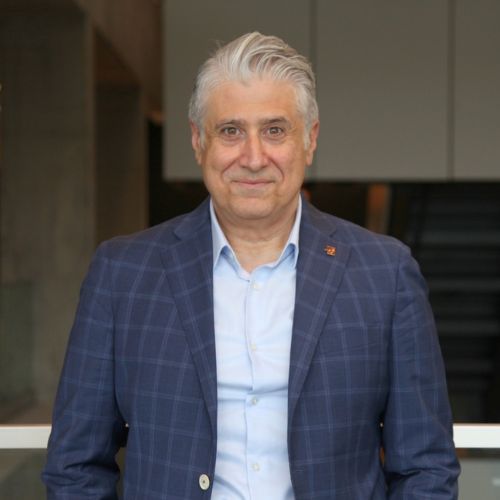
Ghasan Doudak, Vice-Dean, EDI and Governance, University of Ottawa
Advancing Wood Education in Canada and North America: Integrating Design, Engineering, and Construction
15:10 – 15:25
Professor Ghasan Doudak is a professor of structural engineering in the Civil Engineering Department at the University of Ottawa. His area of expertise includes multi-scale understanding of how complete structural systems function encompassing issues like how complete buildings respond to the effects of windstorms, ground shaking during earthquakes, or other actions like impacts and blasts.
Following his graduation, he worked as a structural engineer where he designed commercial and residential buildings. His PhD research was aimed at determining the load paths in wood light frame buildings under various stages of construction using a holistic design approach.
He has been actively involved in disseminating research outcomes to the engineering community and involved in the development of design standards, tools for designers and communicating to key audiences. Professor Doudak is an active member of several code and standard committees and has contributed to the technical content of the standards through several change proposals. He has been a voting member on the National Building Code Standing Committee on Structural Design. He is also a member of the Technical Committee on Design and Assessment of Buildings Subjected to Blast Loads (CSA S850) and has made significant contribution as Chair of the Design and Detailing Subcommittee. Professor Doudak is also a voting member and Chair of the CSA Technical Committee O86 “Engineering Design in Wood”. He is also a member on the committee on CSA S520 “Design and construction of low-rise residential and small buildings to resist high wind” and member of the Subcommittee on Timber Structures under the Highway and Bridge Design Code (CSA S6).
In addition, over the past 20 years, Professor Doudak has been teaching timber design at the undergraduate and graduate levels and he has given invited lectures and full-day training workshops to thousands of practising engineers and architects.
Peter Moonen, WoodWorks
Blériot Feujofack, Manager of Wood Education, Canadian Wood Council
Guido Wimmers, BCIT
Panel Discussion
16:15 – 17:00
Peter Moonen, WoodWorks
Blériot Feujofack, Manager of Wood Education, Canadian Wood Council
Guido Wimmers, BCIT
Round Table
17:00 – 17:55
Peter Moonen, WoodWorks
Blériot Feujofack, Manager of Wood Education, Canadian Wood Council
Guido Wimmers, BCIT
Summary of Activities and Wrap Up
17:55 – 18:00
MR 121 – 122
Alexander Opazo Vega, Blériot Feujofack, Craig Applegath, Ghasan Doudak, Guido Wimmers, Michael David Burnard, Peter Moonen, Pierre Quenneville
 English (Canada)
  French