The housing crisis in some countries is calling on governments to find solutions to build smarter, faster, and better, and climate change is calling for all necessary measures to promote sustainable and resilient cities. Local governments play a pivotal role in building resilient communities. Hear from cities implementing new policies, regulations and processes that leverage mass timber and wood-hybrid construction.
Participants

Leanne Sawatzky, Director, Renewable Cities, Simon Fraser University
Moderator
8:45 – 8:50
Leanne Sawatzky is Director of Renewable Cities, a special initiative of Simon Fraser University’s Centre for Dialogue. With 20 years of experience advancing sustainable, livable and resilient communities, her leadership emphasizes systems-thinking, partnership and collaboration. Renewable Cities convenes stakeholders to address complex challenges, such as prefabricated mass timber adoption and has published guides and resources for local governments and the building industry on design solution considerations for mid- to high-rise buildings, and strategies to reduce sector risk.

Sailen Black, Senior Green Building Planner, City of Vancouver
Mass Timber Policy in Vancouver
8:50 – 9:10
I’m part of the Green & Resilient Buildings team in the Sustainability division of Planning, Urban Design and Sustainability, where I’ve worked for twenty years. My work on green buildings includes creating incentives in Planning policy, reviewing applications, as well as advising staff, consultants, and applicants. Some of the topic areas I deal with are Passive House, mass timber, Net Zero energy standards, embodied carbon, and the related sections of the zoning by-law.

Zahra Teshnizi, Senior Planner, Embodied Carbon, City of Vancouver
Mass Timber Policy in Vancouver
8:50 – 9:10
Zahra Teshnizi is Senior Planner at the City of Vancouver. She leads implementation of the Embodied Carbon Strategy to cut embodied emissions from new construction by 40% by 2030. Zahra led publishing the City’s Embodied Carbon Guidelines which enabled adding wbLCA reporting and embodied-carbon limits to the Vancouver Building By-law. The Guidelines helped inform Canada’s National wbLCA Practitioner’s Guide, which Vancouver now references. She led the work that informed the first rezoning-stage embodied-carbon reporting in 2017, contributes to the National Model Codes Task Group on Embodied GHG Emissions, coordinated UBC’s Brock Commons tall-wood research, and at Mantle Developments led CSA Group research demonstrating deep-retrofit whole-life-carbon savings over demolition and rebuild.
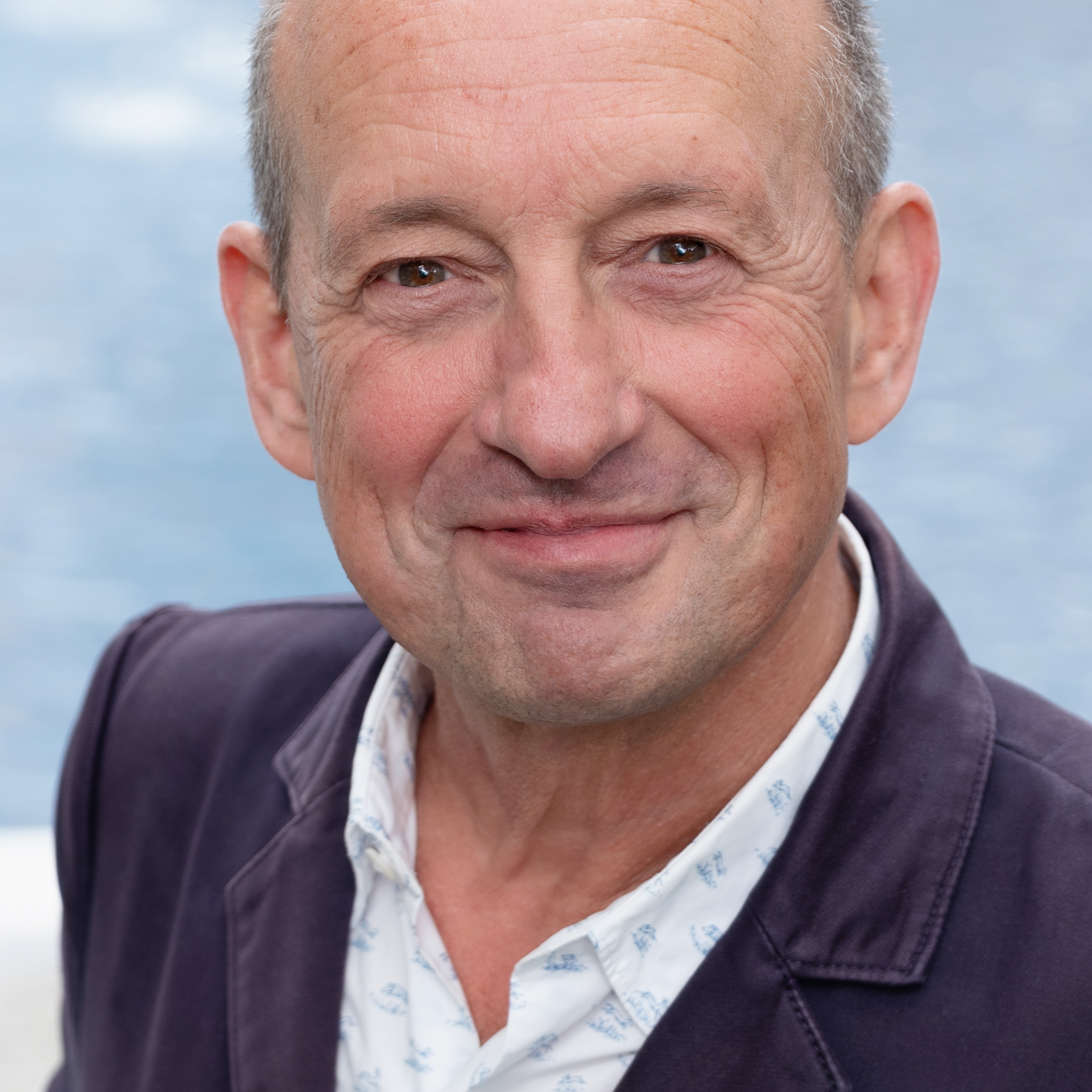
Bob van der Zande, Director Build-in-Wood, Metropolitan Region Amsterdam
It’s all in the game!
9:10 – 9:30
Bob van der Zande is Urban Strategist. Advisor of Cities, Regions, Investors and Developers. Focus on building-in-wood and mass timber, social impact, inclusive area development, and public-private collaboration (Triple Helix).
He is the Director Mass Timber Programme in residential development in the Metropolitan Region Amsterdam (MRA): 20% of all new homes will be built biobased/in mass timber by 2025. Successful in accelerating the timber movement together with 140 subscribers of the Timber Covenant (2021- 2025) and 30 real estate partners.
In March 2023, he became a member of the Board of Built by Nature Foundation, which stimulates the use of timber and other natural materials in the building sector worldwide with grants. He is chair of the National Houtivation Foundation that is scaling up the use of timber in the real estate industry. He is also chair of the National Knowledge Center for Biobased Construction. He has been Chair of Urban Land Institute (ULI) in the Netherlands for four years, and is past chair of the European Urban Regeneration ULI Council and Global ULI Trustee since 2018.
Bob van der Zande worked in the public sector for decades at the City of Amsterdam and the MRA (30 municipalities, two provinces).
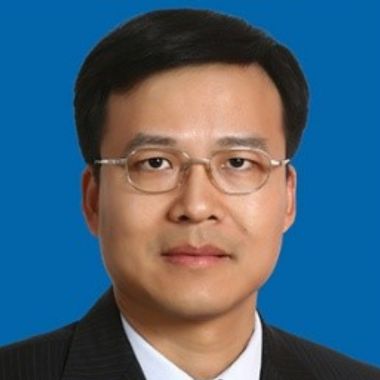
Lu Hongwei, Deputy Director General, Jiangsu Provincial Department of Housing and Urban-Rural Development
Collaborating for a Green Future: Jiangsu’s Approach to Urban and Rural Development
9:30 – 9:50
Mr. Lu is a senior government official and technical leader in green and low-carbon development for urban and rural construction in Jiangsu Province—one of China’s most proactive regions in advancing sustainability and a national frontrunner in modern wood construction. He has played a key role in aligning Jiangsu’s urban and rural development strategies with China’s dual-carbon goals, with a strong focus on policies, regulations, and technical solutions.
As a strong advocate for modern wood construction, Mr. Lu has championed the use of wood in public projects, most notably the main timber pavilion of the 10th Jiangsu Horticultural Expo—an iconic structure spanning 4,500 square meters. He also facilitated the establishment of the Provincial Innovation Centre for Modern Wood Construction Engineering. These initiatives underscore Jiangsu’s enduring commitment to incorporating renewable materials and low-carbon approaches into the sustainable development of urban and rural environments.
Deeply engaged in policy formulation and standard development, Mr. Lu also led the drafting of the Green Building Development Regulations of Jiangsu Province and has overseen the release of more than ten local standards in areas such as green buildings and prefabricated construction. He has spearheaded over 20 major research initiatives, including the Research and Demonstration of Green Smart Buildings (Next-Generation Housing). His work has earned national recognition, including the National Green Building Innovation Award, the Huaxia Construction Science and Technology Award, and the Jiangsu Science and Technology Award.
Under his leadership, Jiangsu has achieved more than 1.5 billion square meters of green buildings and launched over 1,300 demonstration projects in high-quality green buildings and eco-districts—maintaining a national leadership position. The province has published more than 60 local engineering standards related to green and low-carbon development and supported over 1,600 green building technology research projects. The province’s project on Renewable Energy Applications in Buildings was honored with the UN-Habitat Dubai International Award for Best Practices in Improving the Living Environment.
Mr. Lu has also played an instrumental role in launching the Jiangsu Green and Low-Carbon Building International Expo, a comprehensive, full-chain service platform for the construction industry, where wood construction technology has been showcased as a key highlight of green and low-carbon development. He further led the establishment of China’s first provincial pilot zone for carbon peaking and carbon neutrality in the urban and rural construction sector, where wood is promoted as a sustainable building material.
Leanne Sawatzky, Director, Renewable Cities, Simon Fraser University
Panel Discussion
9:50 – 10:15
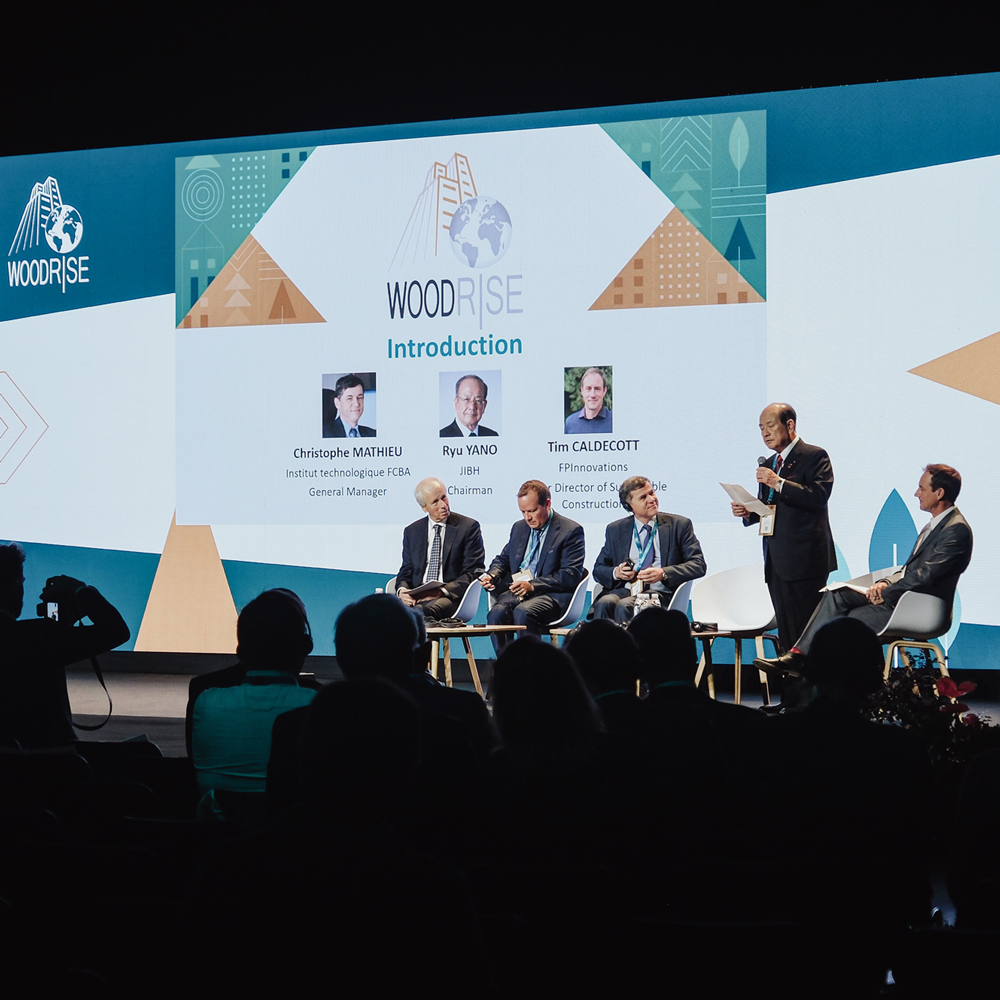
Plenary Room
Bob van der Zande, Leanne Sawatzky, Lu Hongwei, Sailen Black, Zahra Teshnizi
 English (Canada)
  French